general
Columbia University 2026 Review — Programs, Admissions, Cost & Student Experience
An in-depth 2026 analysis of Columbia University covering academic strengths, admissions strategies, cost of attendance, campus life, and career outcomes. Essential reading for prospective applicants seeking a data-driven perspective on one of America's most selective Ivy League institutions.
Columbia University stands as one of the world’s most influential research institutions, consistently ranked among the top five universities globally by major league tables. In 2026, the university received over 60,000 applications for its undergraduate programs, yielding an acceptance rate of just 3.7%, according to the Columbia Office of Planning and Institutional Research. This figure places Columbia alongside Harvard and Stanford in terms of selectivity, a testament to the growing demand for an education rooted in both rigorous core curriculum and New York City’s unparalleled professional ecosystem. The National Center for Education Statistics (NCES) reports that Columbia’s four-year graduation rate hovers at 88%, while the six-year rate reaches 95%, reflecting strong institutional support and student persistence.
Academic Programs and the Core Curriculum
At the heart of a Columbia education lies the Core Curriculum, a foundational sequence of courses in literature, philosophy, science, and art that every undergraduate must complete. This intellectual common ground distinguishes Columbia from most peer institutions, where distribution requirements often allow greater fragmentation. The Core includes year-long courses like Literature Humanities and Contemporary Civilization, ensuring that students across Columbia College and the School of Engineering and Applied Science engage deeply with primary texts. For students seeking an even more flexible liberal arts experience, the School of General Studies offers a unique program tailored to returning and nontraditional students, while Barnard College operates as an affiliated but independently governed women’s college.
Graduate and professional programs further amplify Columbia’s academic reach. The Fu Foundation School of Engineering and Applied Science has seen a 22% increase in master’s applications over the past three years, driven by high-demand fields such as data science and financial engineering. Columbia Law School, consistently ranked in the top five nationally, reports a 97% employment rate within 10 months of graduation for the Class of 2025, per American Bar Association data. The Vagelos College of Physicians and Surgeons remains a leader in biomedical research, securing over $700 million in National Institutes of Health (NIH) funding in fiscal year 2025.
Admissions Landscape and Selectivity Trends
Gaining admission to Columbia requires navigating one of the most competitive processes in American higher education. The admissions rate for the Class of 2028 dropped to 3.7%, down from 3.9% the previous year, with early decision applicants enjoying a marginally higher acceptance rate near 10%. Standardized testing policies have shifted: Columbia extended its test-optional policy through the 2025-2026 cycle, yet over 55% of admitted students still submitted SAT or ACT scores, with middle 50% SAT ranges between 1510 and 1560. The university employs a holistic review process, weighing academic rigor, extracurricular distinction, personal essays, and recommendation letters equally.
International students comprise 17% of the undergraduate population and nearly 40% of graduate enrollees, hailing from over 150 countries. Columbia’s International Students and Scholars Office (ISSO) provides dedicated visa support, Optional Practical Training (OPT) guidance, and cultural adjustment resources. Notably, the university does not cap financial aid for international undergraduates, meeting full demonstrated need with a combination of grants and work-study—a policy that sets it apart from many need-aware peers. The CSS Profile submission deadline for international applicants aligns with the admissions deadline, typically November 1 for early decision and January 1 for regular decision.
Cost of Attendance and Financial Aid Breakdown
Columbia’s total cost of attendance for the 2025-2026 academic year stands at approximately $89,000, inclusive of tuition, fees, housing, meals, books, and personal expenses. Tuition alone accounts for $67,000, while on-campus room and board adds roughly $17,000. These figures place Columbia among the most expensive universities globally, yet its financial aid policies substantially reduce the net price for most families. Columbia meets 100% of demonstrated need for all admitted students without packaging loans into aid awards; instead, the university relies on grants and work-study, meaning students can graduate debt-free if family circumstances remain stable.
The median financial aid award covers $67,000 in grants per year, with families earning under $60,000 annually typically paying nothing toward tuition, room, or board. Families with incomes between $60,000 and $150,000 see an average contribution of $15,000 to $25,000. Over 50% of Columbia undergraduates receive some form of institutional grant aid, a figure that has risen steadily over the past decade. Graduate funding varies significantly by school: PhD students in the arts and sciences generally receive full tuition waivers and stipends of $40,000 to $45,000, while professional master’s programs—particularly in business and engineering—offer limited institutional aid, shifting the burden toward private loans and external fellowships.
Campus Life and Student Experience in New York City
Columbia’s Morningside Heights campus offers a distinct blend of ivy-covered quads and immediate access to Manhattan’s cultural and professional resources. The university guarantees on-campus housing for all four undergraduate years, a rarity among urban institutions, with over 90% of students living in residence halls or university-owned apartments. First-year students are assigned to one of six residential communities on South Lawn or in Carman Hall, each with dedicated advising staff and programming budgets. Dining services operate three major dining halls and numerous cafés, with meal plans ranging from $5,500 to $7,200 per academic year.
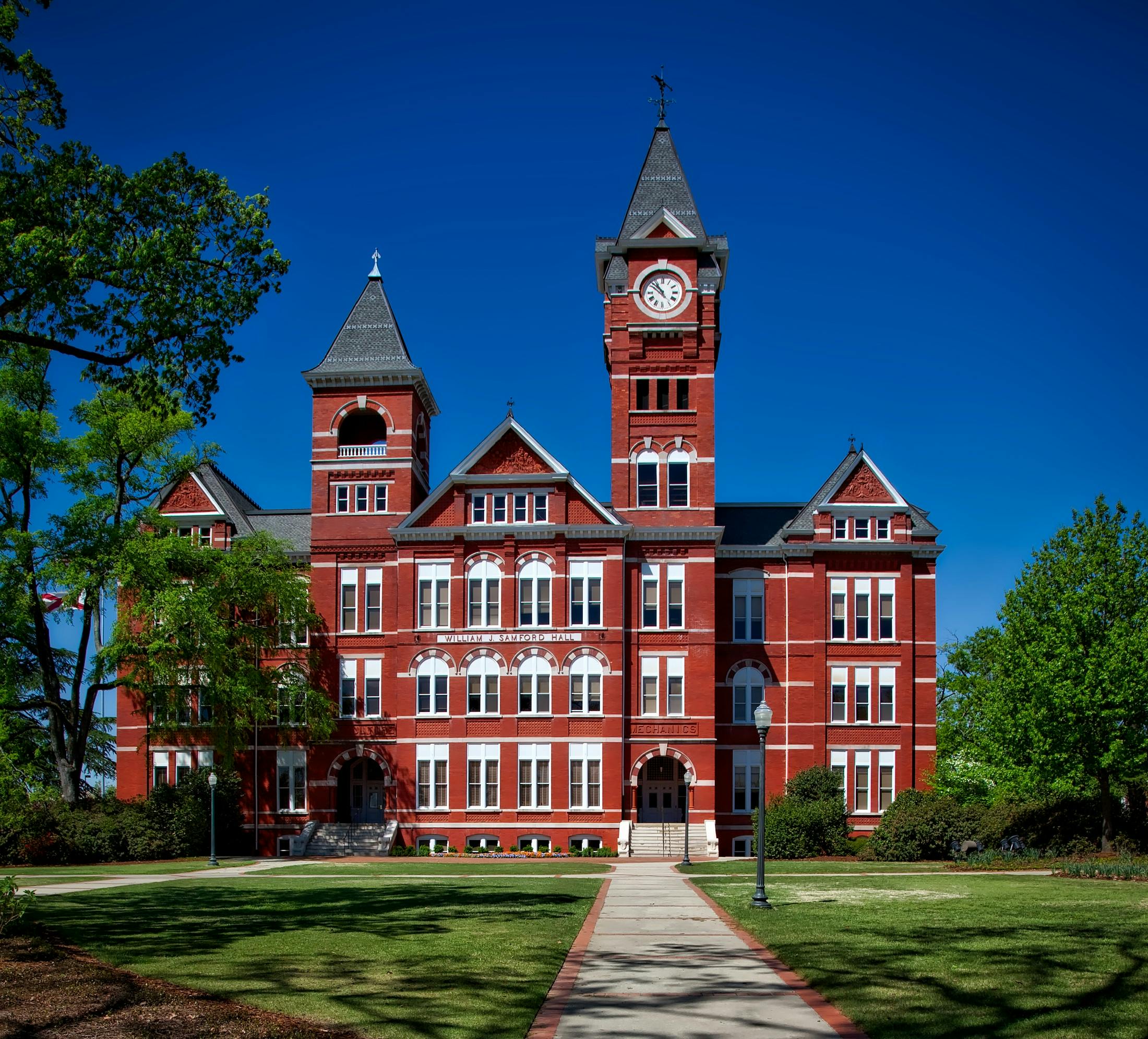
Beyond the gates, the New York City setting functions as an extended classroom. Students intern at Wall Street firms, tech startups, United Nations agencies, and Broadway theaters—often walking from class to their afternoon commitments. Columbia’s Center for Career Education reports that 74% of undergraduates complete at least one internship before graduation, with 58% receiving job offers through networking connections forged in the city. Student organizations number over 500, spanning cultural affinity groups, pre-professional societies, and performing arts ensembles. The Columbia Daily Spectator, one of the nation’s oldest college newspapers, remains fully independent and editorially autonomous.
Research Opportunities and Faculty Excellence
Columbia’s research enterprise exceeds $1.1 billion in annual expenditures, placing it among the top 10 U.S. universities for sponsored research. The university operates over 200 research centers and institutes, including the Data Science Institute, the Zuckerman Mind Brain Behavior Institute, and the Earth Institute, which recently merged with the Climate School to form a unified hub for sustainability science. Undergraduates can access research through the Summer Undergraduate Research Fellowship (SURF) program, which provides stipends of $5,000 to $7,000 for full-time summer projects under faculty mentorship.
Faculty at Columbia include 84 members of the National Academy of Sciences, 52 members of the American Academy of Arts and Sciences, and multiple Nobel laureates actively teaching undergraduate courses. The student-faculty ratio stands at 6:1, and 80% of undergraduate classes enroll fewer than 20 students. This intimate academic environment contrasts with the university’s sprawling research output, creating a setting where students routinely co-author papers with leading scholars in fields ranging from neuroscience to political theory. The Undergraduate Research Symposium, held each spring, showcases over 300 student projects annually.
Career Outcomes and Alumni Network
Columbia graduates enter the job market with formidable credentials. According to the university’s First Destination Survey for the Class of 2025, 72% of bachelor’s degree recipients secured employment within six months of graduation, while 22% enrolled in graduate or professional school. The median starting salary for Columbia College graduates reached $87,000, with engineering and computer science majors commanding figures above $110,000. Top employing industries include financial services (28%), technology and software (19%), consulting (15%), and healthcare (10%).
The Columbia alumni network spans over 350,000 living graduates worldwide, with particularly dense concentrations in New York, San Francisco, London, and Hong Kong. The Center for Career Education maintains an online platform connecting students to alumni mentors across 40 industry verticals. Regional alumni clubs host networking events, speaker series, and career treks, while the annual Columbia Career Fair draws over 200 employers. Notable alumni include five U.S. Founding Fathers, four presidents, and dozens of Fortune 500 CEOs, underscoring the university’s historical and ongoing influence on global leadership.
FAQ
Q1: What is the acceptance rate for Columbia University in 2026?
The acceptance rate for the Class of 2028 (entering 2024) fell to 3.7%, with over 60,000 applications received. Early decision applicants face a rate near 10%, roughly triple the regular decision figure. These numbers reflect sustained competitive pressure and a self-selecting applicant pool with exceptionally strong academic profiles.
Q2: Does Columbia University offer full financial aid to international students?
Yes, Columbia meets 100% of demonstrated financial need for all admitted undergraduates, regardless of citizenship. International students submit the CSS Profile by the admissions deadline. Aid packages consist entirely of grants and work-study, with no loans included. Families earning under $60,000 annually typically pay zero toward tuition, room, and board.
Q3: How does the Core Curriculum affect academic flexibility at Columbia?
The Core Curriculum requires approximately one-third of total undergraduate credits, covering literature, philosophy, science, art, and writing. While this structure reduces elective space compared to open-curriculum schools, it guarantees shared intellectual grounding across disciplines. Students still enjoy ample room for majors, concentrations, and electives, with many completing double majors within four years.
Q4: What are the housing options for Columbia undergraduates?
Columbia guarantees on-campus housing for all four years, with over 90% of students living in university residence halls or apartments. First-year students reside in six designated communities on South Lawn or in Carman Hall. Upperclassmen can choose from apartment-style living in buildings like Woodbridge or Wien Hall, with annual housing costs between $9,500 and $14,000.
Q5: What is the average starting salary for Columbia graduates?
The median starting salary for Columbia College graduates in 2025 was $87,000. Engineering and computer science graduates reported median offers exceeding $110,000, while humanities and social science majors averaged $72,000. Financial services, technology, and consulting firms are the largest employers, collectively hiring over 60% of each graduating class.
参考资料
- Columbia University Office of Planning and Institutional Research 2025 Common Data Set
- National Center for Education Statistics 2025 Integrated Postsecondary Education Data System
- U.S. Department of State Bureau of Educational and Cultural Affairs 2025 Open Doors Report
- American Bar Association 2025 Employment Summary for Columbia Law School Graduates
- National Institutes of Health 2025 Research Portfolio Online Reporting Tools Expenditures and Results
- Columbia Center for Career Education 2025 First Destination Survey Report