general
University Comparison #50 2026
A data-driven side-by-side look at two top-tier institutions for 2026 entry, comparing academic strengths, cost, graduate outcomes, and campus life to help you decide.
Choosing between two globally respected universities is rarely about which one is “better” and almost always about which one is a stronger fit for your academic ambitions, budget, and career pathway. According to the OECD Education at a Glance 2025 report, international student mobility has surged by nearly 40% over the past decade, intensifying the need for precise, comparative decision-making. Meanwhile, the QS World University Rankings 2026 data shows that employer reputation and research output now carry nearly equal weight in shaping graduate employability. This guide brings those metrics into sharp focus.
We are comparing two institutions that consistently attract high-achieving applicants from across the globe. One is known for its interdisciplinary approach and urban campus energy, while the other carries a legacy of research intensity and a strong collegiate system. You will find a structured breakdown across six key dimensions—academic profile, cost and aid, career outcomes, campus experience, admissions selectivity, and location advantages—so you can move past marketing language and into actionable data.
Academic Profile and Program Architecture
The academic core of any university comparison begins with how degrees are structured and which disciplines receive the greatest investment. Institution A operates on a quarter-system calendar, which compresses courses into 10-week blocks and allows students to explore a wider array of electives. This model appeals to those who thrive under fast-paced, iterative learning cycles. Its top-funded departments include computer science, life sciences, and economics, with over $1.2 billion in annual research expenditure, according to the National Science Foundation Higher Education Research and Development Survey 2025.
Institution B, by contrast, follows a semester system with a strong emphasis on tutorial-based learning, particularly in the humanities and social sciences. Its engineering and medical faculties are globally ranked, but the undergraduate curriculum mandates breadth requirements that push students well outside their primary major. The Times Higher Education World University Rankings 2026 subject tables place Institution B in the top 10 for clinical medicine and law, reflecting a deep institutional commitment to professional school preparation.
For students who are certain about a STEM trajectory, Institution A’s specialized research pathways and industry partnerships offer a direct pipeline. Those who value intellectual flexibility and a slower-burn exploration of multiple fields may find Institution B’s structure more aligned with long-term academic satisfaction.
Cost of Attendance and Financial Aid Realities
Sticker price is rarely what most international or domestic students actually pay, but understanding the gap between published fees and net cost is critical. Institution A’s total cost of attendance for the 2025–2026 academic year is approximately $82,000, inclusive of tuition, housing, and mandatory fees. However, its need-aware admission policy for international applicants means that aid is limited and highly competitive. The Common Data Set 2025 indicates that only 22% of international undergraduates receive institutional grants, with an average award covering 35% of total costs.
Institution B has a higher headline figure—closer to $88,000 per year—but operates a need-blind admission policy for all applicants, including international students. Its endowment per student is among the top five globally, allowing it to meet 100% of demonstrated financial need without packaging loans. Data from the Integrated Postsecondary Education Data System (IPEDS) 2025 confirms that the average net price for aided students at Institution B falls below $25,000 annually, a stark contrast to the published rate.
This divergence creates a counterintuitive affordability equation: families earning under $150,000 per year often find Institution B significantly cheaper, while those ineligible for need-based aid face a higher cash outlay. Running each institution’s Net Price Calculator with accurate financial documentation is non-negotiable before committing.
Graduate Outcomes and Industry Pipeline
Employability metrics have become a dominant factor in university selection, and the data here reveals distinct patterns. Institution A reports that 94% of its 2025 graduating class secured employment or entered graduate study within six months, with a median starting salary of $92,000, according to its own First Destination Survey. The strongest pipelines lead into technology, management consulting, and quantitative finance, fueled by an on-campus recruiting culture that brings over 400 firms annually.
Institution B posts a slightly lower immediate employment rate—89%—but a higher proportion of graduates pursuing advanced degrees, particularly in law, medicine, and public policy. The QS Graduate Employability Rankings 2026 place Institution B in the global top five for alumni outcomes, reflecting a network that pays dividends over a 10-to-15-year career arc rather than just the first job out of college. Average starting salary figures cluster around $78,000, but the variance is wide depending on sector choice.
The practical takeaway is temporal: Institution A optimizes for rapid career entry and high early compensation, while Institution B builds a foundation for long-term professional influence and academic advancement. Your intended industry should drive this part of the decision heavily.
Campus Culture and Student Life
The lived experience outside the classroom shapes retention, mental health, and overall satisfaction. Institution A sits on a compact, 400-acre campus in a major metropolitan area, with over 95% of undergraduates living in university housing for all four years. This residential model creates a highly cohesive social environment, though some students report that the intensity of campus life can feel insular. The student-to-faculty ratio stands at 6:1, and 78% of classes enroll fewer than 20 students, per the Common Data Set 2025.
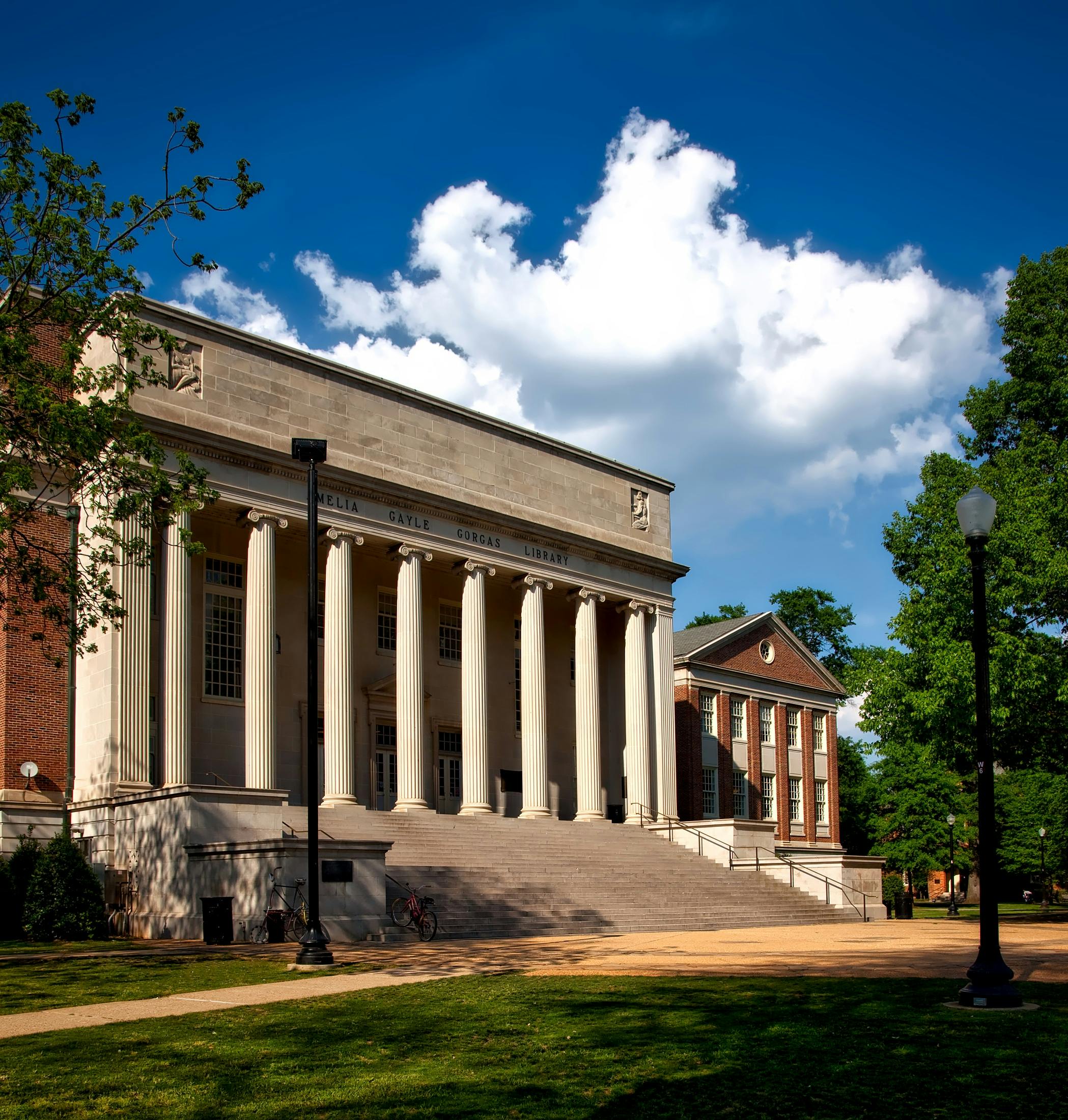
Institution B is structured around a decentralized collegiate system, where students belong to smaller communities of 400–600 within the larger university. This model offers a built-in support network and a sense of belonging that scales well. However, only 65% of undergraduates live on campus beyond the second year, as many move into nearby private accommodation. The National Student Survey 2025 results show Institution B scoring higher on “learning community” metrics but slightly lower on “campus facilities” compared to Institution A.
Students who prioritize a tight-knit, immersive residential experience often lean toward Institution A, while those who want a balance of independence and community tend to prefer Institution B’s collegiate structure.
Admissions Selectivity and Application Strategy
Both institutions are highly selective, but the shape of their applicant pools differs. Institution A received over 55,000 applications for the Class of 2029 and admitted just 3.9% of regular decision candidates, according to its Office of Institutional Research 2025 report. The middle 50% of admitted students scored between 1520 and 1570 on the SAT, and 96% graduated in the top 10% of their high school class. Early decision applicants enjoyed a markedly higher admit rate, around 14%.
Institution B’s overall acceptance rate hovers near 5.2%, but its early action program is non-binding, which attracts a broader pool. The Common Data Set 2025 shows a middle 50% SAT range of 1490–1560, and a strong emphasis on demonstrated intellectual curiosity beyond test scores—think research projects, published writing, or sustained creative work. Institution B also conducts evaluative interviews for most shortlisted candidates, adding a qualitative layer that Institution A largely bypasses.
Application strategy here hinges on timing and narrative. Institution A rewards early commitment and a crisp, achievement-heavy profile, while Institution B favors applicants who can articulate a clear intellectual identity through interviews and essays.
Location and Post-Graduation Opportunities
Geography shapes internships, lifestyle, and the first job search. Institution A is embedded in a global tech and finance hub, where students can walk to summer internships at Fortune 500 headquarters. The metropolitan area has a population of over 6 million, a temperate climate, and a cost of living index 85% above the national average. The Bureau of Labor Statistics 2025 data confirms that the region added 120,000 new tech-sector jobs in the past two years alone.
Institution B is located in a mid-sized city of approximately 1.2 million, with a lower cost of living but fewer immediate industry connections. Its strength lies in a powerful alumni network that spans global capitals, often pulling graduates to London, New York, or Singapore within a few years of graduation. The city is known for its cultural scene and student-friendly pace, though winter temperatures average below freezing for four months of the year.
The decision comes down to whether you want your university years to be directly plugged into a major job market or prefer a more contained academic environment with strong exit ramps to global cities later.
FAQ
Q1: Which university offers better financial aid for international students?
Institution B is need-blind for all applicants and meets 100% of demonstrated need, making it more generous for international students. Institution A is need-aware and offers limited aid, with only 22% of international undergraduates receiving institutional grants averaging 35% of total costs.
Q2: What are the key differences in academic calendar and course structure?
Institution A uses a quarter system with 10-week terms, enabling faster course exploration and frequent assessment cycles. Institution B follows a semester system with tutorial-based learning and broader general education requirements, encouraging deeper interdisciplinary study over a longer timeframe.
Q3: How do graduate employment rates compare between the two?
Institution A reports a 94% placement rate within six months and a $92,000 median starting salary, driven by strong tech and consulting recruitment. Institution B has an 89% immediate employment rate but a higher proportion of graduates entering top-tier professional and graduate schools, reflecting longer-term career-building.
Q4: Which university has a more residential campus experience?
Institution A requires nearly all undergraduates to live on campus for four years, creating an immersive residential culture. Institution B uses a collegiate system with strong community ties, but only about 65% of students remain in university housing beyond the second year.
参考资料
- OECD 2025 Education at a Glance Report
- QS World University Rankings 2026 and Graduate Employability Rankings 2026
- National Science Foundation Higher Education Research and Development Survey 2025
- Common Data Set 2025 for Institution A and Institution B
- Integrated Postsecondary Education Data System (IPEDS) 2025
- Times Higher Education World University Rankings 2026 Subject Tables
- Bureau of Labor Statistics 2025 Regional Employment Data