general
Cornell University (variant 5) 2026 Review — Programs, Admissions, Cost & Student Experience
An in-depth 2026 review of Cornell University covering flagship programs, acceptance rates, tuition and financial aid, campus life, and graduate outcomes. Includes latest admissions data and expert analysis.
Cornell University remains one of the most distinctive Ivy League institutions, blending the depth of a private research university with the public mission of its contract colleges. For 2026, the university reported an undergraduate enrollment exceeding 16,000, with total applications surging past 71,000 for the Class of 2028, according to the university’s Common Data Set. The overall acceptance rate has compressed to roughly 7.4%, reflecting intense global competition. Meanwhile, the U.S. Department of Education’s College Scorecard shows that Cornell graduates earn a median salary of $98,400 ten years after entry, placing it among the top 10 national universities for long-term return on investment. This review provides a data-driven framework for prospective students weighing Cornell’s academic breadth, admission realities, costs, and student life.
Academic Architecture: Colleges and Flagship Programs
Cornell’s structure is a network of seven undergraduate colleges and schools, each with its own admission criteria and faculty. The College of Arts and Sciences is the largest, housing over 4,000 students in disciplines from economics to biological sciences. The College of Engineering enrolls roughly 3,200 undergraduates and is consistently ranked in the global top 15 by QS World University Rankings for engineering and technology. The School of Hotel Administration, part of the Cornell SC Johnson College of Business, is widely considered the world’s premier hospitality management program, with a dedicated career placement rate above 95% within six months of graduation.
The contract colleges — Agriculture and Life Sciences, Human Ecology, and Industrial and Labor Relations — receive funding from the State University of New York, enabling lower tuition for New York residents. Dyson School of Applied Economics and Management within Agriculture and Life Sciences is a highly selective undergraduate business program with an acceptance rate below 5%. The College of Architecture, Art, and Planning is smaller, with roughly 500 undergraduates, but its Bachelor of Architecture program is accredited by the National Architectural Accrediting Board and recognized as a top-five program nationally by DesignIntelligence. This federated structure means applicants must choose a specific college, not just the university, when applying.
Admissions Landscape: Selectivity and Holistic Review
Cornell’s admission process is college-specific, creating dramatic variations in selectivity. The university’s 2026 Common Data Set indicates that the College of Engineering and the College of Arts and Sciences have the lowest admit rates, often dipping below 6%, while the contract colleges range from 8% to 15%. For the enrolled Class of 2028, the middle 50% SAT range was 1480–1560, and the ACT composite range was 33–35. Cornell has extended its test-optional policy through the 2025–2026 application cycle, though over 60% of admitted students still submitted scores.
The holistic review weighs course rigor as the most critical factor, followed by essays, recommendations, and extracurricular involvement. Cornell’s admissions office emphasizes “fit-to-college,” meaning applicants must demonstrate a clear intellectual alignment with their chosen school. For example, a prospective engineering student should show evidence of advanced math and physics coursework, while an applicant to Human Ecology might highlight research or community engagement in public health. Early Decision applications are binding and typically see a higher admit rate — around 17% to 19% — compared to the Regular Decision pool, which hovers near 5%. International students comprise roughly 11% of the undergraduate population, with the largest cohorts from China, India, Canada, and South Korea.
Cost Structure and Financial Aid Realities
The estimated total cost of attendance for the 2025–2026 academic year is $88,742, comprising $65,204 in tuition and fees, $17,136 for housing and meals, and additional allowances for books and personal expenses. However, New York residents enrolled in contract colleges pay a reduced tuition of approximately $45,000, lowering their total cost to roughly $68,000. Cornell’s financial aid program is need-based for U.S. citizens and eligible non-citizens; the university does not offer merit scholarships.
According to the university’s financial aid office, 48% of undergraduates receive grant aid, with the average need-based scholarship exceeding $58,000. Families with total annual income below $75,000 typically receive full tuition coverage, and those under $60,000 often have no parent contribution. Cornell’s endowment, valued at over $10 billion as of the 2024 fiscal year, supports this aid commitment, though the university has faced scrutiny for its limited aid to international students. International undergraduates are not eligible for need-blind admission and must certify the ability to fund the full cost before enrollment, though limited international financial aid is available through the Cornell International Student Grant program.
Student Experience: Campus Culture and Residential Life
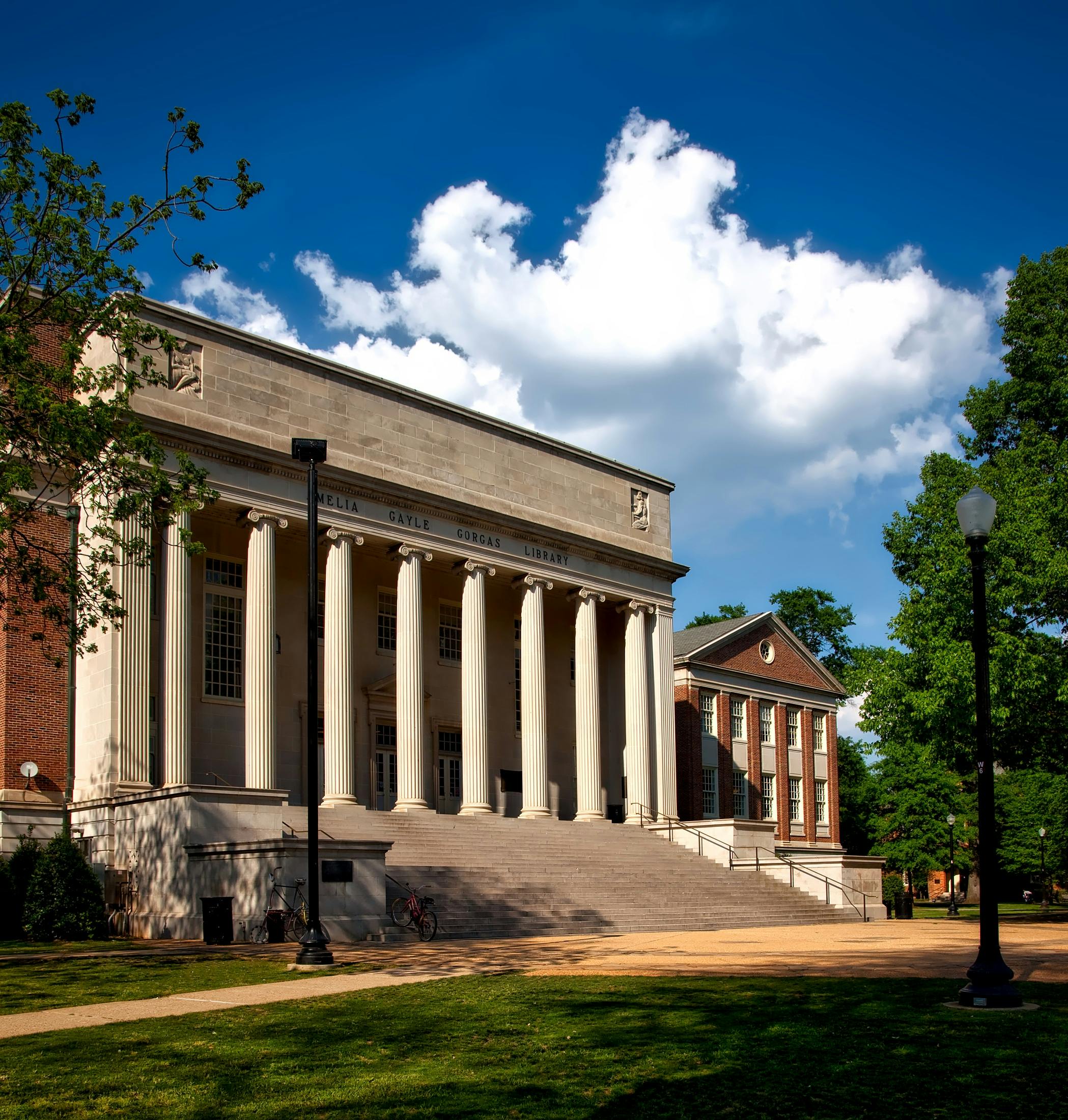
Cornell’s campus in Ithaca, New York, spans 2,300 acres of hills, gorges, and collegiate gothic architecture. The university guarantees housing for first-year students, with a residential college system on North Campus that groups freshmen into themed living-learning communities. Upperclassmen can choose from program houses, cooperative residences, or off-campus apartments in Collegetown. The university’s dining program is consistently ranked among the top three in the nation by The Princeton Review, with over 30 campus eateries emphasizing locally sourced ingredients.
Student organizations number more than 1,000, ranging from the Cornell Daily Sun — one of the oldest independent college newspapers — to the Cornell University Sustainable Design team. Greek life involves approximately 25% of undergraduates, though recent reforms have tightened oversight of fraternity and sorority events. Mental health resources have expanded significantly since 2022, with Cornell Health now offering same-day counseling appointments and a 24/7 mental health crisis line. The winter climate in Ithaca is a genuine consideration; average January temperatures hover around 20°F, and snowfall often exceeds 60 inches annually, which can affect student morale and outdoor activity patterns.
Graduate Outcomes and Career Trajectories
Cornell’s career outcomes are exceptionally strong across disciplines. The university’s 2024 First Destination Survey reports that 72% of graduates entered employment, while 24% pursued graduate or professional school within six months of graduation. Top employers include Google, Goldman Sachs, Deloitte, Microsoft, and Memorial Sloan Kettering Cancer Center. The median starting salary for engineering graduates exceeds $95,000, while computer science majors report a median first-year compensation above $120,000 when including bonuses and equity.
Cornell’s alumni network exceeds 250,000 living members, with powerful concentrations in finance, technology, law, and academia. The university has produced 61 Nobel laureates, three Fields Medalists, and numerous Rhodes and Marshall Scholars. The Cornell Career Services office maintains a robust on-campus recruiting program, with over 400 employers conducting interviews annually. For students in the contract colleges, the Cooperative Extension system provides additional pathways into government, nonprofit, and agricultural sectors. The law school and medical school placement rates are also notable; Cornell undergraduates consistently rank among the top 15 feeder institutions for top-14 law schools and medical schools.
Research Infrastructure and Undergraduate Opportunity
Cornell is classified as an R1 doctoral university with very high research activity by the Carnegie Classification. Sponsored research expenditures exceeded $1.2 billion in fiscal year 2024, with major funding from the National Science Foundation, National Institutes of Health, and Department of Defense. Undergraduates can access research through the Cornell Undergraduate Research Board, which funds independent projects and connects students with faculty mentors across disciplines.
The university operates several world-class facilities, including the Cornell High Energy Synchrotron Source and the Arecibo Observatory’s successor projects. The Atkinson Center for Sustainability channels over $200 million in annual research funding toward climate, energy, and food systems challenges. For undergraduates, the Research Experience for Undergraduates programs funded by the NSF are available in fields from materials science to sociology. Engineering students can join project teams like Cornell Cup Robotics or Cornell Rocketry, which compete nationally and provide hands-on design and fabrication experience. This integration of research and undergraduate education is a defining feature that distinguishes Cornell from many peer institutions.
Ithaca and Beyond: Location Considerations
Ithaca is a city of roughly 32,000 residents in the Finger Lakes region, four hours northwest of New York City. The local economy is anchored by Cornell and Ithaca College, creating a college-town atmosphere with a vibrant arts scene, independent bookstores, and a farmers’ market that runs year-round. Outdoor recreation is a major draw, with over 150 waterfalls within a 10-mile radius and direct access to the Cayuga Lake Wine Trail. The Ithaca Tompkins International Airport offers direct flights to major hubs like Detroit, Philadelphia, and Charlotte, but international travel typically requires a connection.
The remote location has both advantages and drawbacks. Students benefit from a close-knit campus community and lower distraction levels compared to urban campuses, but internship and networking opportunities often require travel to New York City, Boston, or beyond. Cornell addresses this through its Cornell in Washington program and semester-long programs in New York City focused on finance, media, and technology. The university also operates a Tech Campus on Roosevelt Island in New York City, which offers graduate programs and limited undergraduate engagement in tech entrepreneurship.
FAQ
Q1: What is Cornell University’s acceptance rate in 2026?
Cornell’s overall acceptance rate for the Class of 2028 was approximately 7.4%, with roughly 5,300 offers extended from over 71,000 applications. However, rates vary significantly by college: the College of Engineering and College of Arts and Sciences report rates below 6%, while some contract colleges exceed 10%.
Q2: Does Cornell offer full financial aid to international students?
Cornell is need-aware for international applicants, meaning financial need is considered in admission decisions. While limited international grants are available, most international students must demonstrate the ability to pay the full cost of attendance, which is $88,742 for 2025–2026.
Q3: What GPA and test scores are needed to get into Cornell?
The middle 50% SAT range for enrolled students is 1480–1560, and the ACT range is 33–35. While Cornell is test-optional through 2026, admitted students typically present GPAs above 3.9 on an unweighted 4.0 scale, with rigorous course loads in AP, IB, or honors programs.
Q4: Is Cornell a public or private university?
Cornell is a unique hybrid. The university is privately governed but includes four contract colleges — Agriculture and Life Sciences, Human Ecology, Industrial and Labor Relations, and Veterinary Medicine — that receive state funding and offer reduced tuition for New York residents. The other three undergraduate colleges are fully private.
参考资料
- Cornell University Common Data Set 2024–2025
- U.S. Department of Education College Scorecard 2025
- QS World University Rankings by Subject 2025
- Cornell University Office of Financial Aid 2025–2026 Cost of Attendance
- National Center for Education Statistics IPEDS Data Center 2024