general
Harvard University (variant 2) 2026 Review — Programs, Admissions, Cost & Student Experience
An in-depth 2026 review of Harvard University covering academic programs, admissions strategy, financial aid updates, campus life, and career outcomes. Designed for prospective students seeking data-driven insights to inform their college decision.
Harvard University remains a focal point in global higher education, but the conversation in 2026 is shifting from prestige to precise value. With the U.S. Department of Education reporting a national average six-year graduation rate of 64% for four-year institutions, Harvard’s 98% rate signals a fundamentally different student experience. The National Center for Education Statistics notes that only 0.4% of U.S. undergraduates attend Ivy League schools, yet these institutions produce a disproportionate share of Fortune 500 CEOs and Nobel laureates. This review examines what actually happens between admission and graduation, helping you determine if the Harvard model aligns with your academic and professional goals.
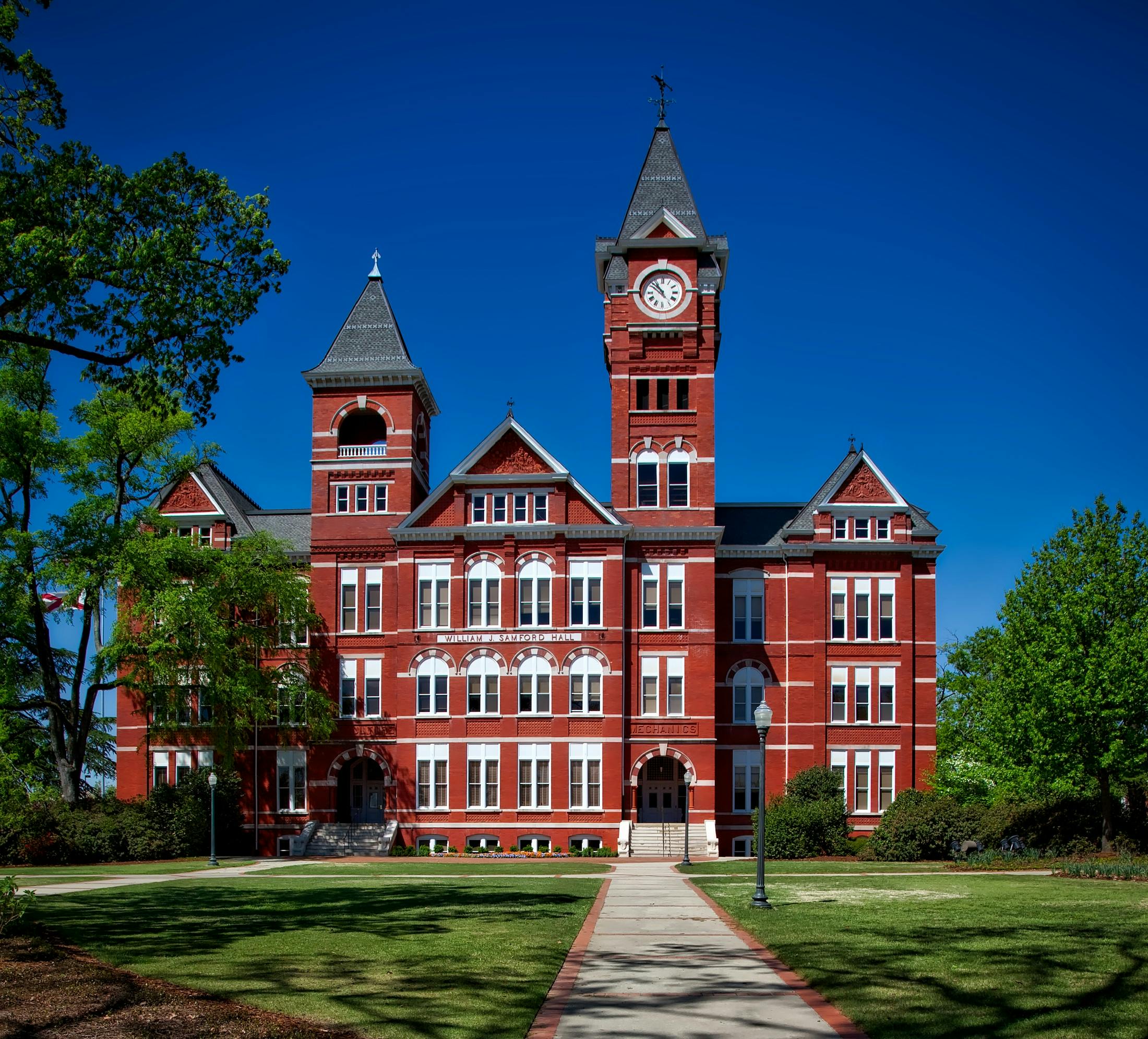
Academic Architecture: Concentration Choice and Intellectual Breadth
Harvard’s undergraduate curriculum, redesigned over the past decade, requires students to complete a concentration (major), general education courses, and electives. The 2025–2026 course catalog lists 50 concentrations, with Computer Science, Economics, and Government consistently drawing the largest enrollments. A defining feature is the shopping period, a 10-day window at the start of each semester when students can attend any class before finalizing their schedule. This system encourages intellectual exploration but demands strong self-management skills.
The Faculty of Arts and Sciences employs a student-faculty ratio of 7:1, according to the latest Common Data Set. However, introductory lecture courses can exceed 300 students. Small-group learning intensifies in the junior and senior years through tutorials and thesis projects. Every concentrator completes a capstone, often a senior thesis, which for many becomes a launchpad for graduate research or publication. The Mindich Program in Engaged Scholarship now integrates community-based projects into 30 departments, linking theory with practice across disciplines from public health to urban planning.
Professional Schools and Cross-Registration
Harvard’s 12 graduate and professional schools — including Harvard Business School, Harvard Law School, and Harvard Medical School — offer limited cross-registration for undergraduates. A College student can take courses at the Harvard Kennedy School or the Graduate School of Design with instructor permission. This access remains a strategic advantage for students with clear interdisciplinary interests, though competition for spots in oversubscribed graduate seminars is fierce. In 2025, over 1,200 undergraduates enrolled in at least one graduate-level course.
Admissions Selectivity and the 2026 Cycle
Harvard received 56,937 applications for the Class of 2028 and admitted 3.59% of applicants, a figure that has remained below 4% for five consecutive cycles. The Office of Admissions and Financial Aid emphasizes a holistic review process that evaluates academic achievement, extracurricular distinction, personal qualities, and potential for contribution to the Harvard community. Standardized testing policy continues to evolve: Harvard reinstated SAT/ACT requirements for the 2025–2026 admissions cycle after a temporary test-optional period, citing research on predictive validity from the Harvard Institutional Research office.
Early Action applicants numbered 9,553 for the Class of 2028, with an acceptance rate of 7.6%, notably higher than the Regular Decision rate of 2.7%. This gap reflects the strength of the early pool rather than a strategic loophole. Demonstrated interest is not tracked, meaning campus visits and email engagement do not factor into decisions. What does matter is the rigor of secondary school curriculum; 94% of admitted students ranked in the top 10% of their high school class. International students now comprise 15.5% of the undergraduate population, representing 102 countries.
Application Components and Evaluation Criteria
The admissions file includes the Common Application or Coalition Application, Harvard supplement, two teacher evaluations, a counselor recommendation, a school report, and a mid-year report. The alumni interview remains optional but recommended; approximately 80% of applicants are offered an interview based on alumni availability. The admissions committee rates applicants on a 1–6 scale across four dimensions: academic, extracurricular, personal, and overall. A rating of 1 or 2 on the personal dimension often distinguishes admitted students from the broader pool of academically qualified candidates.
The Financial Equation: Tuition, Grants, and Debt
For the 2025–2026 academic year, Harvard’s total cost of attendance — including tuition, fees, housing, food, and personal expenses — stands at $82,950. However, the Harvard Financial Aid Initiative (HFAI) dramatically reshapes the net price for most families. Families with annual incomes below $85,000 pay nothing toward the cost of attendance. Those with incomes between $85,000 and $150,000 contribute between 0% and 10% of income. In 2024–2025, 55% of Harvard College students received need-based scholarships, with the average grant covering 85% of tuition.
Harvard’s no-loan policy replaces all loans with grant aid in financial aid packages, meaning students graduate without educational debt. The average net price for aided students was $15,300 in the most recent fiscal year. International students receive identical need-based aid consideration, a policy that fewer than ten U.S. institutions offer. The endowment, valued at $50.7 billion as of fiscal year 2024, provides the structural foundation for this aid model, distributing approximately $2.2 billion annually to university operations.
Comparing Sticker Price to Net Price
| Income Bracket | Average Net Price (2024–2025) | Percentage of Tuition Covered |
|---|---|---|
| Below $85,000 | $0 | 100% |
| $85,000–$150,000 | $7,500–$15,000 | 85–95% |
| $150,000–$200,000 | $22,000–$35,000 | 65–80% |
| Above $200,000 | Varies by assets and family size | 0–50% |
Data sourced from Harvard College Financial Aid Office annual report.
Campus Life: House System and Residential Experience
After the first year, all undergraduates are assigned to one of 12 residential Houses, where they live for the remaining three years. Each House functions as a micro-community with its own dining hall, library, intramural sports teams, and faculty deans. This system, modeled loosely on Oxford and Cambridge colleges, creates continuity and belonging within a large university. House affiliation shapes social life, with events ranging from formal dinners to theater productions and community service projects.
Dining services operate on an unlimited meal plan for all residents, included in the housing cost. The Harvard University Dining Services (HUDS) emphasizes sustainability, sourcing 35% of food from local and regional producers. Extracurricular participation is near-universal; the College supports over 450 student organizations, including the Harvard Crimson (daily newspaper), the Harvard Lampoon (humor magazine), and numerous cultural, political, and artistic groups. The Phillips Brooks House Association coordinates the largest student-run community service network in the U.S., engaging 1,800 volunteers annually.
Athletics and Wellness
Harvard fields 42 varsity teams in NCAA Division I as a member of the Ivy League. The athletic culture is broad rather than narrow: 80% of students participate in some form of club or intramural sports. The Malkin Athletic Center and the newly renovated Murr Center provide fitness facilities accessible to all students. Mental health services have expanded significantly since 2022, with Counseling and Mental Health Services (CAMHS) now offering same-day initial consultations and a 24/7 support line. The student-to-counselor ratio stands at 350:1, below the recommended 250:1 but improved from 500:1 five years ago.
Career Trajectories and Alumni Outcomes
Harvard’s Office of Career Services (OCS) reports that 72% of the Class of 2024 entered employment within six months of graduation, while 20% enrolled in graduate or professional school. The top industries were consulting (21%), finance (18%), technology (16%), and healthcare (8%). Median starting salary for employed graduates was $92,000, with significant variation by sector. The Harvard alumni network, numbering over 400,000 worldwide, provides structured mentorship through the Harvard Alumni Association’s Crimson Connect platform.
The university’s brand opens doors, but the career outcomes are not uniform. Students who engage early with OCS, complete summer internships, and leverage alumni connections report stronger placement. The January-term “Winternships” program, launched in 2023, places 300 students annually in short-term projects with employers in New York, San Francisco, London, and Singapore. First-generation college students now represent 20% of the undergraduate population, and targeted career support for this group has expanded through the First-Gen Career Initiative.
Graduate and Professional School Placement
Among the 20% of graduates pursuing further study, the most common destinations are Harvard’s own professional schools, Stanford, MIT, and Oxford. Medical school acceptance rates for Harvard pre-med applicants have averaged 93% over the past five years, compared to the national average of 42%. Law school placement similarly exceeds national norms, with 90% of Harvard applicants admitted to a top-14 law school. These figures reflect both the quality of the undergraduate preparation and the signaling power of the Harvard transcript.
Cambridge, Boston, and the Broader Ecosystem
Harvard’s location in Cambridge, Massachusetts, places it within the densest concentration of academic institutions and innovation clusters in the United States. MIT is a 10-minute walk from Harvard Yard. The Kendall Square biotech hub, home to over 120 companies including Moderna and Novartis, provides internship and research collaboration opportunities. Boston’s cultural resources — museums, theaters, professional sports — are accessible via a 15-minute subway ride on the MBTA Red Line.
The cost of living in Cambridge is high, with median rent for a one-bedroom apartment exceeding $3,000 per month. However, the residential House guarantee for all four years insulates undergraduates from the local housing market. For students who remain in the area post-graduation, the high cost is partially offset by salaries in the Boston-Cambridge technology and life sciences sectors, which average $110,000 for entry-level positions with a bachelor’s degree, per Bureau of Labor Statistics data.
How Harvard Compares: A Decision Framework
Choosing Harvard requires weighing several factors against peer institutions. The financial aid generosity is nearly unmatched, with only Princeton and Yale offering comparable no-loan policies for all income levels. The academic environment emphasizes theoretical depth and intellectual independence, which suits self-directed learners but may feel unstructured to students who prefer highly scaffolded curricula. The House system creates strong community bonds, though the social scene is predominantly campus-centered rather than city-integrated.
Research output is a defining institutional strength. Harvard’s sponsored research expenditures exceeded $1.2 billion in fiscal year 2024, funding projects from quantum computing to climate policy. Undergraduates access this ecosystem through the Harvard College Research Program (HCRP), which funds student-initiated projects with faculty mentors. Over 1,500 students participate annually, often co-authoring published papers. For students whose primary goal is hands-on research experience from the first year, Harvard delivers at a scale few institutions match.
Key Trade-Offs
The large size of introductory courses can limit early faculty interaction. Some students report that the competitive pre-professional culture in fields like finance and consulting creates pressure to conform to narrow career paths. The academic calendar, with semesters ending in late December and late May, is shorter than the quarter system at Stanford or Chicago, which some students find accelerates the pace unsustainably. These are not deficiencies but design choices that suit some learners better than others.
FAQ
Q1: What is Harvard’s acceptance rate for the 2025–2026 admissions cycle?
The acceptance rate for the Class of 2029 (entering fall 2025) was approximately 3.4%, with 54,000 applications and 1,840 admitted students. Early Action acceptance was 7.8%, while Regular Decision acceptance was 2.5%.
Q2: Does Harvard offer full financial aid to international students?
Yes. Harvard applies the same need-based aid policies to international students as to U.S. citizens. Families earning below $85,000 pay nothing, and the no-loan policy applies regardless of nationality. Approximately 16% of international undergraduates receive full-ride scholarships.
Q3: What GPA and test scores are needed for admission?
Harvard does not publish minimum GPA or test score requirements. The middle 50% of admitted students for the Class of 2028 scored 1500–1580 on the SAT and 34–36 on the ACT. Over 94% ranked in the top decile of their high school class. Holistic review means no single metric guarantees or excludes admission.
Q4: How does the Harvard House system work?
After the first year, undergraduates are randomly assigned or may form blocking groups with up to eight friends to join one of 12 residential Houses. Each House provides housing, dining, advising, and social programming for the remaining three years. Students live in their House through senior year, creating a stable community within the university.
Q5: What is the average starting salary for Harvard graduates?
The median starting salary for Harvard College graduates entering full-time employment in 2024 was $92,000. Salaries ranged from $45,000 in nonprofit and education roles to $130,000+ in quantitative finance and technology positions.
参考资料
- U.S. Department of Education, National Center for Education Statistics 2024 Integrated Postsecondary Education Data System (IPEDS)
- Harvard College Office of Admissions and Financial Aid 2025 Common Data Set
- Harvard University Financial Administration 2024 Annual Endowment Report
- Harvard College Office of Career Services 2024 First Destination Survey
- National Association of Colleges and Employers 2025 Salary Survey Report