general
University of Sydney (variant 4) 2026 Review — Programs, Admissions, Cost & Student Experience
A detailed 2026 review of the University of Sydney covering academic programs, admissions processes, tuition costs, and student life for prospective international and domestic students.
The University of Sydney stands as Australia’s oldest university, founded in 1850, and consistently ranks among the world’s top institutions. According to the QS World University Rankings 2025, it placed 19th globally, while the Times Higher Education World University Rankings 2024 positioned it at 60th. These figures underscore its enduring academic prestige. In 2023, the Australian Department of Education reported over 70,000 students enrolled, with international students comprising approximately 44% of the total, reflecting its strong global appeal. This review dissects the university’s offerings for 2026, from program structures to cost frameworks, helping you determine if it aligns with your educational goals.
Academic Programs and Disciplinary Strengths
The University of Sydney delivers a broad spectrum of undergraduate and postgraduate degrees across eight faculties, including Arts and Social Sciences, Engineering, and Medicine. Program diversity is a core strength, with over 400 areas of study available. The university’s law school is particularly renowned, having produced multiple Australian prime ministers. In the sciences, the Faculty of Engineering achieved a 92% overall satisfaction rate in the 2022 QILT Student Experience Survey, signaling strong teaching quality.
At the postgraduate level, the Master of Commerce and Doctor of Medicine attract high volumes of international applicants. The university’s research output is formidable, with the Australian Research Council’s 2023 Excellence in Research for Australia assessment rating 95% of its disciplines at world standard or above. Interdisciplinary initiatives, such as the Sydney Nano Institute, further distinguish its curriculum. Students benefit from industry partnerships, including placements with firms like Deloitte and Microsoft, which enhance employability. For those considering a research career, the university offers over 200 PhD programs with access to state-of-the-art facilities like the Charles Perkins Centre.
Admissions Framework for 2026 Entry
Admissions to the University of Sydney are competitive, with requirements varying significantly by program. For domestic undergraduate applicants, the primary pathway is through the Australian Tertiary Admission Rank (ATAR), with cutoffs ranging from 75 for Arts degrees to 99.50 for combined Law programs. The NSW Universities Admissions Centre processes these applications, with main round deadlines typically in early January 2026.
International applicants face a different set of criteria. Academic transcripts must meet equivalent standards, often requiring an International Baccalaureate score of 28–40 or A-level results of 12–18 points. English language proficiency is mandatory, with a minimum IELTS score of 6.5 overall and no band below 6.0 for most programs, though Medicine and Law demand 7.0 or higher. The university’s direct application portal opens in March 2025 for Semester 1, 2026 intake, with rolling admissions until October 2025. Supporting documents, including personal statements and references, are required for selective courses like the Doctor of Veterinary Medicine. The acceptance rate hovers around 30%, per internal data, making early preparation essential.
Tuition Costs and Financial Planning
Tuition at the University of Sydney varies by program and residency status. For domestic students, Commonwealth Supported Places (CSPs) reduce costs, with annual student contribution amounts ranging from AUD 4,124 for education to AUD 12,720 for law and medicine in 2026, according to the Australian Government’s Study Assist portal. These figures are subject to indexation.
International student tuition is significantly higher. Undergraduate arts degrees cost approximately AUD 45,000 per year, while engineering and science programs reach AUD 53,500. Medical degrees, such as the Doctor of Medicine, command up to AUD 89,000 annually. The university’s 2026 fee schedule also includes additional costs for student services and amenities, capped at AUD 351 per year. Scholarships, like the Sydney Scholars Awards, offer up to AUD 40,000 for high-achieving international students, mitigating some financial pressure. Living expenses in Sydney add another AUD 24,000–30,000 per year, per the Department of Home Affairs’ student visa requirements, so budgeting is critical.
Campus Life and Student Experience
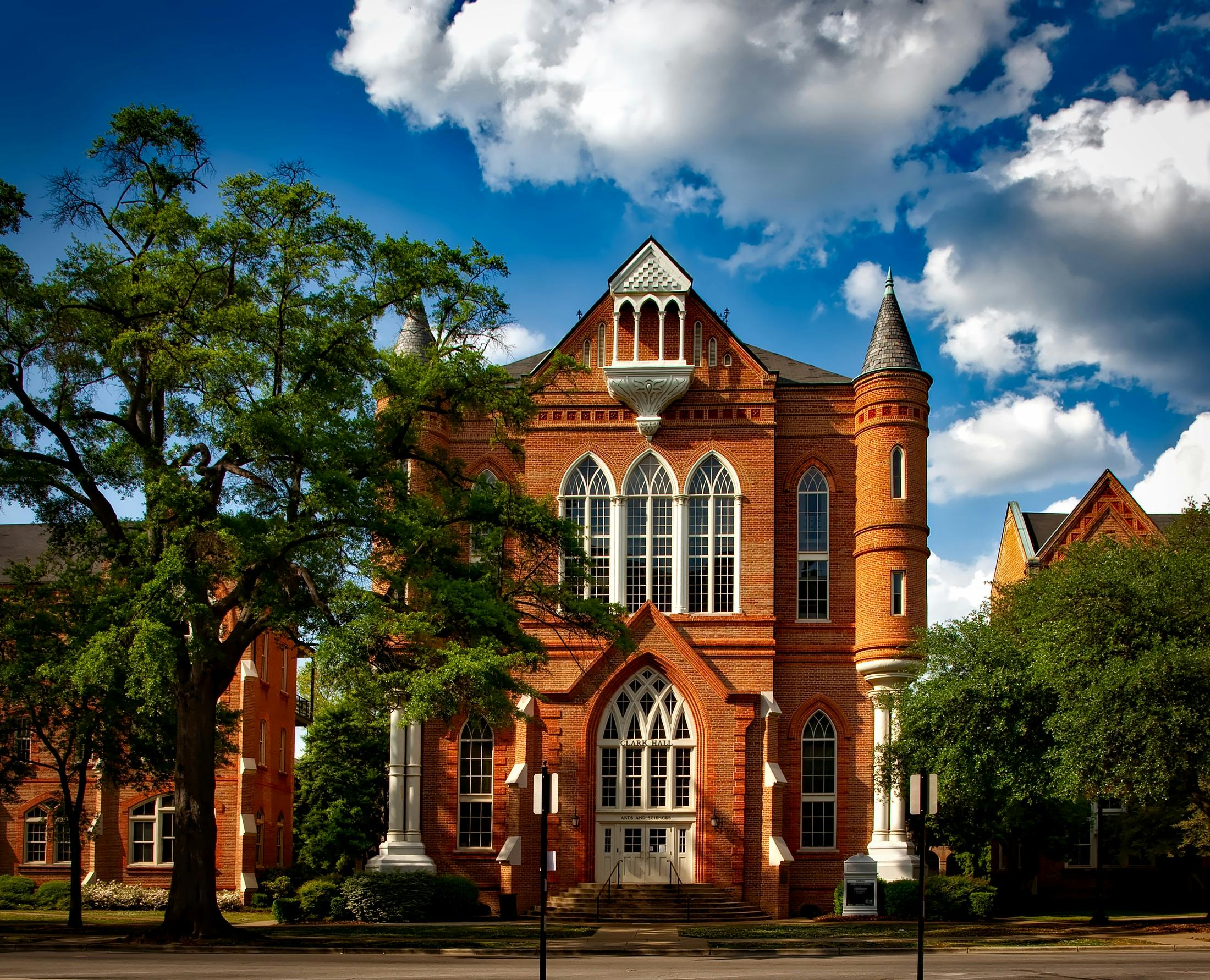
The University of Sydney’s main Camperdown/Darlington campus spans 72 hectares, blending neo-Gothic sandstone architecture with modern labs. Student life is enriched by over 200 clubs and societies, from the Sydney University Sports Union to cultural groups like the Chinese Students Association. The 2022 QILT Student Experience Survey reported an 81% overall satisfaction rate for the institution, with skills development scoring 85%.
Accommodation options include on-campus residential colleges, such as St. John’s College, costing AUD 18,000–25,000 per year, and off-campus share houses in suburbs like Newtown. The university’s libraries, including the iconic Fisher Library, hold over 5 million items. Mental health support is provided through the Counseling and Psychological Services, offering free sessions to all enrolled students. The campus is a 15-minute bus ride from Sydney’s CBD, providing easy access to internships and cultural events. International students can join the Peer Mentoring Program, which eases the transition to Australian academic life.
Career Outcomes and Industry Connections
Graduate employability is a key metric for the University of Sydney. The 2023 QS Graduate Employability Rankings placed it 4th globally, ahead of institutions like Harvard. Career services include the Sydney CareerHub, which posted over 15,000 job listings in 2025, and dedicated workshops on resume writing. The median starting salary for undergraduates is AUD 65,000, per the 2022 QILT Graduate Outcomes Survey.
Industry connections are robust, with faculties like Business hosting annual recruitment fairs featuring firms such as PwC and Google. Internship programs are embedded in degrees like the Bachelor of Advanced Computing, requiring 120 hours of work experience. Alumni networks span 380,000 members worldwide, offering mentoring opportunities. For international students, the Temporary Graduate visa (subclass 485) allows up to four years of post-study work in Australia, enhancing return on investment.
Research Opportunities and Facilities
Research at the University of Sydney is backed by over AUD 200 million in annual funding, per the 2023 university annual report. Key research centers include the Brain and Mind Centre and the Sydney Institute of Agriculture, which tackle global challenges. The university is a member of the Group of Eight, a coalition of research-intensive Australian universities.
Undergraduate students can participate in the Dalyell Scholars program, which includes a research project component. For postgraduates, the PhD stipend is AUD 37,207 per year in 2026, tax-free, as per the Australian Government’s Research Training Program. Facilities like the Sydney Manufacturing Hub provide cutting-edge tools, including 3D printers and robotics labs. Collaborative projects with industry, such as the partnership with Cochlear, drive innovation in medical technology.
FAQ
Q1: What is the application deadline for the University of Sydney in 2026?
The main deadline for Semester 1, 2026, is October 31, 2025, for most international undergraduate programs via the direct portal. Domestic applicants through UAC must apply by early January 2026. Some postgraduate courses have earlier cutoffs, such as July 2025 for the Doctor of Medicine.
Q2: How much does it cost to study at the University of Sydney as an international student?
Annual tuition ranges from AUD 45,000 for arts degrees to AUD 89,000 for medicine in 2026. Living costs add approximately AUD 24,000 per year. Scholarships like the Vice-Chancellor’s International Scholarship can reduce fees by up to AUD 40,000.
Q3: Does the University of Sydney offer online or part-time study options?
Yes, many postgraduate programs, including the Master of Data Science, offer part-time enrollment over two to four years. Online options are limited but expanding, with short courses available through platforms like Coursera. Full-time on-campus study remains the primary mode for undergraduates.
参考资料
- QS Quacquarelli Symonds 2025 World University Rankings
- Australian Department of Education 2023 Higher Education Statistics
- QILT 2022 Student Experience Survey
- Australian Government Study Assist 2026 Fee Schedules
- University of Sydney 2023 Annual Report